

Shorter fields, lower footprint.
Located within the growing region, our facility brings processing closer to the source. We contract directly with growers before planting, aligning crop planning and harvest schedules with our production requirements.
 Primary goal · Goal 12Responsible consumption and production
Longer journeys and extended storage between harvest and processing can increase transport costs and affect raw material quality. Sourcing closer to the facility helps us coordinate deliveries and preserve more of the crop’s value.
Better planning. From the source.
Open-market sourcing can involve several stages of aggregation, storage and transport before fruit reaches the processor. These additional steps can increase fuel use and handling requirements, while delays may affect freshness, colour and processing yield.
Buying at peak harvest also exposes growers and processors to changes in availability and price. Advance agreements provide a clearer basis for planning, aligning crop supply with processing requirements.
The value of raw materials depends on the quality and processing yield they deliver, as well as their purchase price.
Working with growers. Before the season.
We agree varieties, planting windows and harvest schedules with growers before the season begins. This gives both sides greater visibility: growers can plan for an identified buyer, while our team can prepare for expected volumes and delivery periods.
- Varieties selected for processing: Matching crop characteristics, including soluble solids content, colour and suitability for processing, to the intended product.
- Staggered planting windows: Spreading expected harvest volumes across the processing season to support manageable, consistent intake.
- Coordinated harvest schedules: Aligning crop maturity and delivery timing with production requirements.
- Advance purchasing agreements: Giving growers a clearer basis for planning cultivation, irrigation and other farm inputs.
Closer to the crop. Ready for processing.
Working with growers near our Sadat City facility helps shorten the journey from field to intake. Reduced transport distances can lower fuel requirements and associated emissions, while coordinated deliveries limit unnecessary handling and delays.
Delivery within hours of harvesting helps maintain raw material quality ahead of processing. Combined with variety selection and harvest planning, this supports consistent production and helps us meet agreed product specifications.
Egyptian-grown raw material
typical field-to-intake window in campaign
most contracted farms within the same governorate
Supporting agriculture. Strengthening local economies.
Our local sourcing approach supports Egyptian growers and the businesses around them. Purchasing crops locally also creates demand for transport, handling and seasonal labour, helping retain more economic value within the regions that supply our facility.
Measuring our impact. Reporting verified results.
We are developing our carbon measurement programme alongside the environmental and responsible sourcing initiatives on our certification roadmap, including work towards ISO 14001 certification and SEDEX-related activities.
A verified carbon footprint is not yet available. We will publish the results once measurement and independent verification are complete.
Alamir Ingredients — Sadat City, Egypt. For further information or supporting documentation on the topics covered in this article, contact our export team.
Request a quoteDownload documentsOther articles.
 Packaging

Ambient by design.
Aseptic packaging gives tomato concentrate, fruit concentrates and purees up to 24 months of shelf life without refrigeration or preservatives. The largest saving it makes is not on our electricity bill — it is on everyone else’s.
Read the article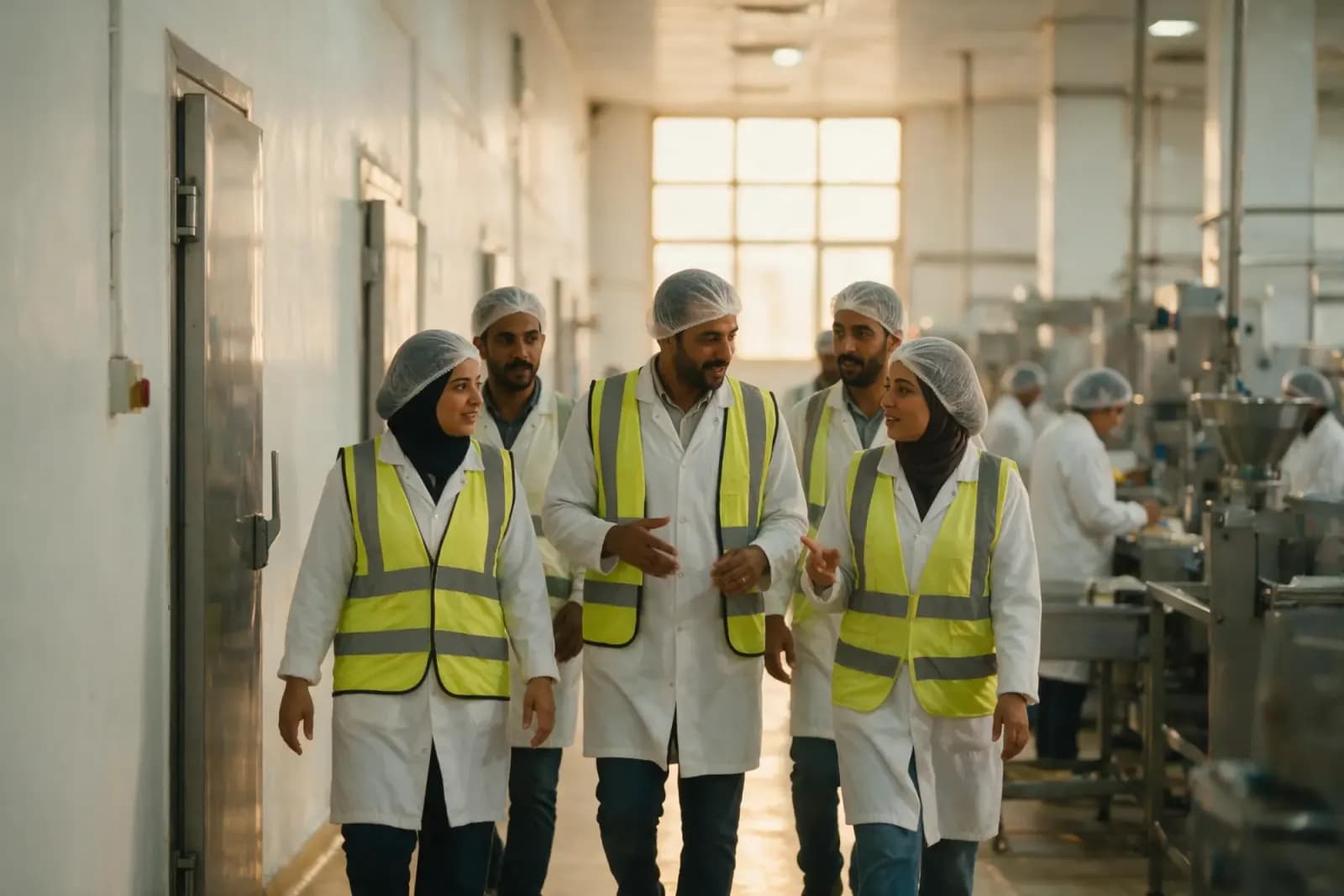 People


Two hundred and fifty jobs.
A plant is a piece of infrastructure for the people around it as much as for the customers in front of it. This is what 250 direct jobs in Sadat City actually consists of, and what it builds beyond our own payroll.
Read the articleEnvironment

Every litre, counted twice.
Fruit uses water in the field and again on the line. In a country as water-constrained as Egypt, a sustainability page that skips this section is not worth reading.
Read the article